English
 한국어
한국어 Español
 العربية
 dansk
dansk Ελλάδα
A yoga top is not simply a close-fitting garment designed to look good during a workout. Its performance depends on how effectively the fabric, pattern, and construction respond to repeated stretching, changes in body position, moisture, and movement. A top that feels comfortable while standing may become restrictive during a deep stretch, while a visually attractive design may lose its shape if the fabric lacks sufficient recovery.
For brands developing yoga apparel, these factors need to be considered together. Fabric determines how the garment moves and recovers, fit controls how it interacts with the body, and design details determine how tension and support are distributed. When these elements are properly matched, a yoga top can deliver both functional performance and a commercially appealing appearance.
Fabric has a direct influence on stretch, recovery, moisture management, breathability, opacity, and long-term durability. For yoga apparel, stretch is essential because the garment needs to accommodate movements such as bending, twisting, reaching, and overhead extension without restricting the wearer.
However, high stretch alone does not guarantee good performance. Fabric recovery is equally important. A material may stretch easily during movement but fail to return to its original dimensions afterward. Over repeated wear, this can result in a loose neckline, stretched straps, or reduced support around the torso.
Moisture behavior is another important consideration. Yoga sessions can vary considerably in intensity, from gentle stretching to demanding flows or hot yoga. A fabric that moves moisture away from the skin and dries efficiently can provide a more comfortable experience during longer sessions.
| Fabric Property | Why It Matters | What Brands Should Check |
|---|---|---|
| Stretch | Allows unrestricted movement | Multidirectional elasticity |
| Recovery | Helps maintain the original fit | Return after repeated stretching |
| Breathability | Improves comfort during active use | Air and moisture management |
| Opacity | Maintains coverage during stretching | Appearance when fabric is extended |
| Surface stability | Protects long-term appearance | Pilling and abrasion resistance |
A size chart provides a starting point, but it cannot fully describe how a yoga top behaves during movement. Activewear needs to be evaluated through both static and dynamic fit.
Static fit considers how the garment sits when the wearer is standing or sitting naturally. Dynamic fit looks at what happens when the wearer bends forward, rotates the torso, raises the arms, or changes position.
This distinction is particularly important for yoga tops women, because a garment can have technically correct measurements and still shift during movement. A neckline that is sufficiently secure while standing may become loose during forward folds, while an armhole that feels acceptable at rest may restrict shoulder movement.
Pattern designers therefore need to consider how much ease is appropriate for the intended activity. Too little ease can create unnecessary tension, while too much can cause the garment to move independently of the body.
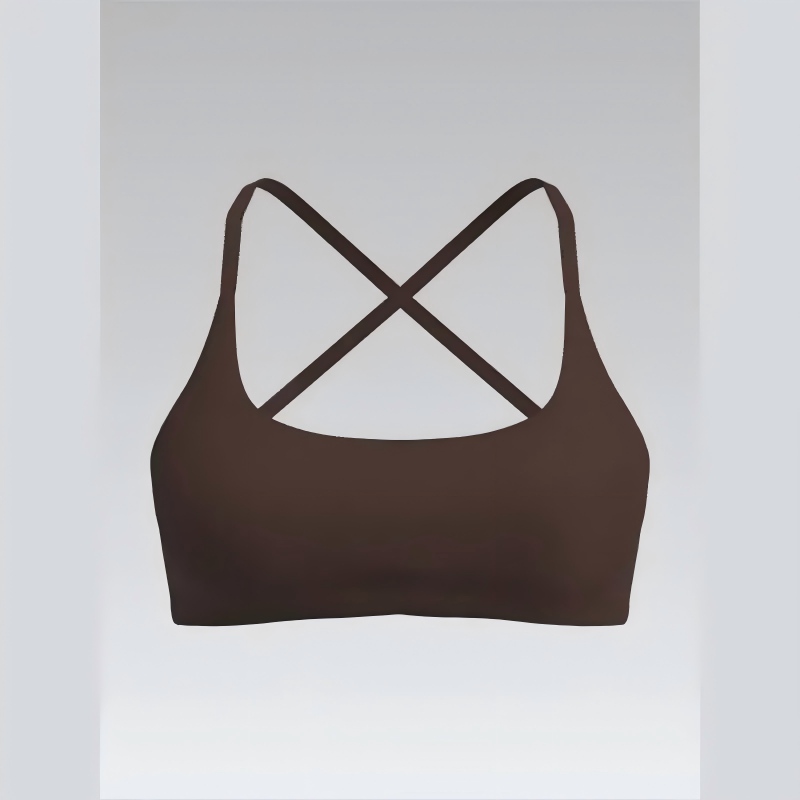
Some of the most important performance decisions are found in areas that may appear relatively minor during the design stage. Shoulder construction, armhole depth, neckline shape, strap positioning, underbust design, and seam placement can all influence mobility.
For example, shoulder straps need to provide stability without creating excessive pressure. Armholes should allow sufficient movement without sacrificing coverage. The neckline must remain secure during changes in body position without feeling restrictive.
Seam placement is equally important. A seam positioned directly in an area exposed to repeated friction may become uncomfortable during extended wear. In contrast, carefully planned seam locations can distribute tension more evenly and reduce pressure points.
Construction should also match the characteristics of the fabric. A very elastic material may require a different sewing approach from a firmer compression fabric. Reinforcement can be useful around high-stress areas, but adding unnecessary stitching may reduce flexibility or increase bulk.
Yoga tops should not all provide the same degree of support. The appropriate construction depends on the intended activity, target customer, and product positioning.
A lightweight top designed for gentle yoga may prioritize softness, freedom of movement, and breathability. A more supportive style intended for dynamic workouts may require stronger fabric compression, a more secure underbust structure, wider straps, or additional lining.
Support should therefore be designed into the product rather than added as an afterthought. If the fabric provides insufficient compression, relying entirely on tight pattern dimensions can create discomfort. Conversely, excessive compression can make a garment feel restrictive during movements that require a wide range of motion.
Customization becomes valuable when it addresses a specific product requirement. Brands may need different fabric compositions, modified sizing, customized colors, specific printing methods, or alternative construction details depending on their target market.
For example, a brand selling premium studio apparel may prioritize soft hand feel and refined finishing, while a performance-focused collection may place greater emphasis on compression, recovery, and moisture management.
A custom yoga set can also help brands establish consistency across tops and bottoms. Matching fabric performance, color standards, stitching details, and branding elements creates a more cohesive collection instead of a group of unrelated garments.
Customization can also extend to fit. If a standard pattern does not match a brand's target customer profile, adjusting torso length, neckline depth, strap width, or underbust dimensions may deliver more meaningful value than simply changing the color or adding a logo.
Sample approval should evaluate performance under conditions that resemble actual use. Visual inspection alone is not sufficient for determining whether a yoga top will maintain its intended fit and function.
Brands should consider testing the following:
Repeated stretching to evaluate fabric recovery.
Opacity when the material is fully extended.
Arm and shoulder mobility during movement.
Neckline and strap stability.
Comfort around seams and high-friction areas.
Dimensional changes after washing.
Surface appearance after repeated wear.
It is also useful to record measurements before and after testing. Instead of simply deciding that a garment “looks stretched,” brands can compare key dimensions such as neckline width, torso width, strap length, and armhole opening.
Performance and aesthetics do not have to compete. In a well-developed yoga top, functional decisions can actually contribute to the visual identity of the product.
Panel lines can improve both structure and appearance. A carefully shaped neckline can provide support while becoming a recognizable design feature. Color placement can emphasize construction details, while fabric selection can create a distinctive texture or finish.
The key is to establish the functional requirements before finalizing decorative details. Brands should first define the intended activity, support level, fabric behavior, and fit. Once those parameters are established, aesthetic decisions can be built around them.
Long-term performance is determined long before the finished garment reaches the customer. Fabric selection, pattern development, grading, sewing, finishing, and quality control all contribute to the final result.
For brands working with suppliers specializing in custom yoga wear, discussing these requirements during the sampling stage can prevent costly changes later in production. A supplier should understand not only the desired appearance but also the intended activity, expected support level, fabric behavior, and target price point.
This is especially important when a brand plans to scale a successful design. A garment that performs well in a small sample run still needs consistent fabric, measurements, construction, and finishing across larger production quantities.
The best-performing yoga top is the result of several decisions working together. Fabric needs sufficient stretch and recovery, the pattern needs to accommodate actual movement, and construction needs to manage stress without creating unnecessary bulk or restriction.
For brands, the most useful approach is to evaluate the garment as a complete system rather than choosing fabric, fit, and design independently. When these elements are aligned, the result is more likely to retain its shape, remain comfortable during movement, and deliver the level of performance customers expect.
Ultimately, effective yoga top development is less about adding more features and more about making each feature serve a clear purpose. The right fabric supports movement, the right fit keeps the garment stable, and the right design translates those technical advantages into a product that customers can wear confidently across repeated sessions.